

The Business Location Promotion Act (StoFöG) has been in force since February 10, 2026. The aim of the law is to sustainably strengthen Germany as a business and financial location, mobilize private investment and noticeably relieve companies of bureaucratic burdens. With a broad-based package of measures, the StoFöG provides targeted impetus to increase international competitiveness and further expand the attractiveness of the location for investors and companies.
Key Facts
With the StoFöG, the legislator has responded to key structural challenges that are currently shaping Germany as a business location: Decarbonization, geopolitical uncertainties and sluggish digitalization are hampering investment and inhibiting growth. This is precisely where the StoFöG comes in, with the aim of removing barriers to investment and strengthening Germany as an attractive location for companies and investors.
The law covers these measures:
The StoFöG creates new opportunities for IPOs. Shares with a nominal value of less than EUR 1 and the admission of English-language prospectuses lower the hurdles for companies wishing to position themselves on the capital market. Lowering the minimum nominal value of shares increases the flexibility of capital measures, especially for smaller companies. In particular, a lower minimum nominal value facilitates the denomination of shares, which can lead to increased capital increases.
The EU Listing Act is all about making it easier for small companies to access the capital market.
The financial market as a whole could also benefit: For example, companies can raise new equity more quickly and at lower cost. This is particularly interesting for start-ups. With the StoFöG, the German government would also like to make a contribution to the further development of the savings and investment union .
For fund providers and investors, regulatory uncertainty is eliminated: funds retain their tax qualification even if they invest in commercial partnerships. At the same time, the investment opportunities are significantly expanded: special investment funds can now invest in renewable energies, charging infrastructure, infrastructure companies as well as PE and VC funds without restriction. It is also possible to hold 100% of companies that specialize in renewable energies or infrastructure projects. Income from these areas is treated as a direct investment for tax purposes.
Another change concerns the so-called roll-over rule. This is the possibility of reinvesting profits from the sale of shares in corporations in a tax-neutral manner in new investments instead of having to pay tax on them immediately. The previous maximum limit of 500,000 euros is to be raised to 2 million euros. Growth sectors in particular are to benefit from this regulation in order to make new investments more quickly and cheaply.
The Location Promotion Act also abolishes banking supervisory structures such as the employee and complaints register at BaFin and the WpHG Employee Notification Ordinance; the provisions on expertise and reliability will be transferred to the Ordinance on the Specification of Conduct Rules and Organizational Requirements for Investment Service Providers (WpDVerOV) and will therefore continue to apply in the future. The BaFin crypto securities list introduced in 2021 will be abolished, as will the million-loan reporting system.
The Standortfördergesetz provides an important clarification in banking supervisory law in favor of managing directors. Criminal liability under Section 54 (1) No. 1 KWG for breaches of the separation banking regime is limited and extends, among other things, to transactions identified in the risk analysis to be carried out in accordance with Section 3 (3) KWG. Previously, there was already a threat of criminal sanctions for a general breach of Section 3 KWG; with the reference to specifically named paragraphs, managing directors should benefit from increased legal certainty and lower personal liability risks.
The amending laws generally entered into force on the day after their promulgation, i.e. on February 10, 2026. This applies, for example, to the expiry of the WpHG Employee Disclosure Ordinance and the associated employee and complaints register. Not all of the amending acts entered into force on February 10, 2026. The majority will enter into force in the course of 2026 – if not already on the day after promulgation – and in 2030 at the latest.
The StoFöG opens up a wide range of opportunities for various players in Germany as a financial and business location. Depending on the business model and field of activity, there are different starting points:
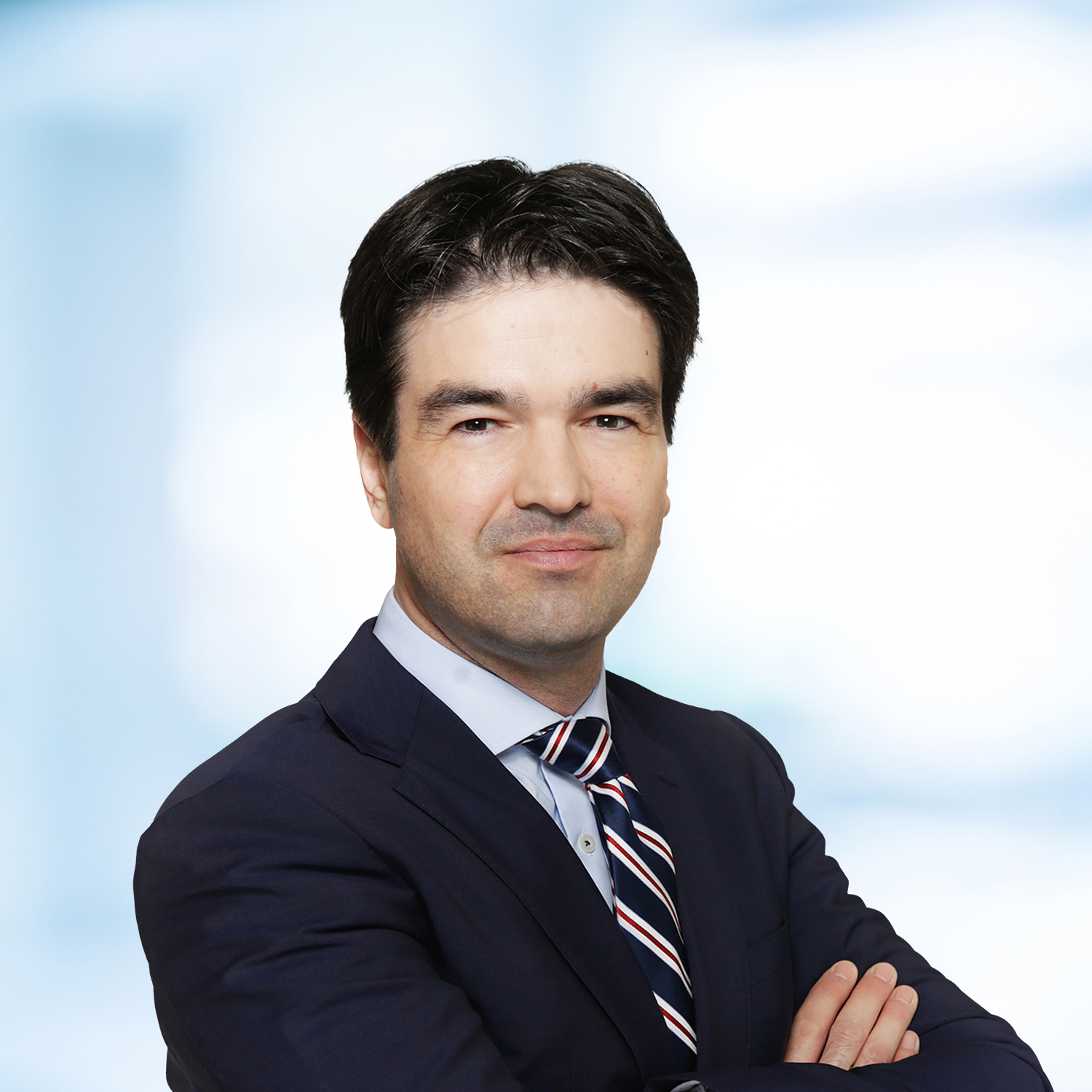
Partner
THE SQUAIRE Am Flughafen
60549 Frankfurt am Main
Tel.: +49 69 951195-062
mpussar@kpmg-law.com

Senior Manager
Luise-Straus-Ernst-Straße 2
50679 Köln
Tel.: +49 221 271689 1649
frankmichaelbauer@kpmg-law.com


KPMG Law
© 2026 KPMG Law Rechtsanwaltsgesellschaft mbH, associated with KPMG AG Wirtschaftsprüfungsgesellschaft, a public limited company under German law and a member of the global KPMG organisation of independent member firms affiliated with KPMG International Limited, a Private English Company Limited by Guarantee. All rights reserved. For more details on the structure of KPMG’s global organisation, please visit https://home.kpmg/governance.
KPMG International does not provide services to clients. No member firm is authorised to bind or contract KPMG International or any other member firm to any third party, just as KPMG International is not authorised to bind or contract any other member firm.
